It is common to find that health-conscious people do not understand the difference between D2 and D3, but take vitamin D supplements. This is not surprising, because this substance in our body stimulates the absorption of calcium in the intestine. Without vitamin D, only 10-15% of the calcium intake from food and about 60% of the phosphorus is absorbed by the human body. Vitamin D increases calcium absorption by 30-40% and phosphorus by 80%. Vitamin D receptors (VDRs) are present in most cells in our body. 1,25(OH)2D has a wide range of biological actions, such as inhibiting cell proliferation and inducing final differentiation, inhibiting angiogenesis, stimulating insulin production, inhibiting renin production, and stimulating the production of cathelicidin macrophages. 1,25(OH)2D is responsible for regulating up to 200 of our genes. A lack of vitamin D over time reduces serum calcium and can cause a compensatory release of parathyroid hormone. This can cause secondary hyperparathyroidism, a decrease in bone mineral density. Lack of this vitamin leads to muscle weakness, increases the risk of fractures, falls, rickets and osteomalacia in osteoporosis. Some experts believe that vitamin D deficiency may increase the risk of certain chronic diseases, including various types of cancer, autoimmune diseases, and cardiovascular disease.
So, taking vitamin D, many patients have no idea that the pharmacological industry produces mainly two forms of it, cholecalciferol (D3) and ergocalciferol (D2), the effect of which is very different. So what is the difference between vitamins D3 and D2, cholecalciferol and ergocalciferol? The differences between D2 and D3 are significant.
What is the difference between D2 and D3?
Vitamin D2 is produced by plants and fungi when exposed to ultraviolet rays. To obtain this vitamin by the body, it is enough to include in the diet fortified food, such as freshly squeezed juices, milk, grains. Unlike vitamin D2, vitamin D3 is produced by the human body through sunlight. In most cases, this occurs when a person’s skin is exposed to ultraviolet radiation from the spectra A and B. In addition, a small amount of vitamin D3 can be obtained by eating foods of animal origin.
Form D2 is the most commonly used drug in prescriptions prescribed by doctors. In fact, D2 is thought to be the equivalent of D3, but the differences between D2 and D3 are significant. Many believe that vitamin D2, consumed in sufficiently high doses, prevents rickets and is able to resist osteomalacia in adults (osteomalacia is a systemic disease characterized by insufficient bone mineralization). However, a report published in the American Journal of Nutrition points to a very clear distinction between vitamin D2 and D3. The ineffectiveness of vitamin D2 compared to vitamin D3 has been well documented. Moreover, no clinical trials to date have been able to prove that vitamin D2 can prevent fractures.
AI-generated illustrative replacement. Differences between D2 and D3 Liver
Both forms of vitamin D, getting into the human body, are absorbed in the small intestine and enter the liver, where they are hydroxylated; while D3 is converted to 25-hydroxycholecalciferol (25-OH-D3), and D2 - to 25-hydroxyergocalciferol (25-OH-D2). 25(OH)D requires further hydroxylation in the kidneys up to 25(OH)D-1-OH(CYP27B1) where it is converted to the biologically active form of vitamin D1,25(OH)D2. It is this form that regulates the work of genes, stimulates the absorption of calcium and phosphorus and much more. So the form of vitamin D3, thanks to a certain hepatic enzyme, is easily metabolized into the bioactive form, and just as easily passes into the form of a hormone in the kidneys. Vitamin D2 is also metabolized, but it takes much longer. After splitting D2 into several components of the excess compound has a negative effect on the work of internal organs, and D3 during biochemical reactions is transformed into calcitriol, which resists the development of cancer cells. Obviously, these forms of vitamin D are not the same. The differences between D2 and D3 are significant.
AI-generated illustrative replacement. razlichiya-mezhdu-d2-i-d3 nefr
Why do most doctors prefer the form of vitamin D2?
The answer must be found in the past. Back in the early 1920s, scientists discovered that by exposing foods to ultraviolet irradiation, vitamin D2 was obtained. Even then, its production was widely mastered by pharmaceutical companies. Around 1930, scientists noticed that vitamin D2 was not actually as effective in treating rickets in children as the vitamin derived from cod liver. Subsequent studies have shown different results, but it is surprising that in 1949 the World Health Organization declared that the differences between the two forms are "minimal." That’s why doctors, especially the “old hardened” prefer the century-old vitamin D2. And pharmaceutical companies are not in a hurry to stop the production of “good old” ergocalciferol, not difficult to produce synthetics, which allows you to make huge profits.
AI-generated illustrative replacement. Differences between D2 and D3 human
However, science does not stand still and modern research has refuted the theory of the identity of the two forms of vitamin D:
“... cholecalciferol (vitamin D3) is significantly more potent than ergocalciferol (vitamin D2).” – Heaney, RP
“Vitamin D2 should no longer be considered suitable for nutritional supplementation and strengthening...” From ‘Vitamin D2 or vitamin D3?’ Mistretta, VI et al.
“D2 (ergocalciferol), has lower biological activity, low stability and shorter duration of action by approximately 33% compared to vitamin D3” From ‘The Value of Vitamin D3 over Vitamin D2 in Older Persons’ Barbara J. Zarowitz PharmD, FCCP, BCPS, CGP, FASCP
“Vitamin D2, or ergocalciferol, should not be considered as a nutrient suitable for food supplementation or fortification...” From ‘The case against ergocalciferol (vitamin D2) as a vitamin supplement. Houghton LA, Vieth R.
«... Vitamin D2 is only about 20-40% effective, cholecalciferol. Holick, 'The Vitamin D Epidemic and its Health Consequences'.
Progressive doctors publicly declare the dangers of vitamin D2 associated with its toxicity to humans.
One of the main dangers of ergocalciferol is that the line between effective therapeutic and toxic doses is very thin. The prescription of vitamin D2 should always be accompanied by a warning that the dose should be adjusted as soon as the level of vitamin D in the blood has increased. The U.S.-based popular drug Drisdol, for example, warns: “Therapeutic dose should be adjusted as soon as there is clinical improvement.” Doses should be individualized and great care should be taken to prevent serious toxic effects. But doctors know that 50% of the world’s population suffers from a lack of vitamin D. And it is impossible to increase the level of vitamin D using ergocalciferol in patients with moderate and severe vitamin D deficiency. But this is possible with cholecalciferol, because high doses of D3 do not have such toxic effects on the body. The study on nutrition states that ergocalciferol should not be considered as a nutrient suitable for nutritional supplements or fortification of food. The explanation is simple – it will not cause a significant increase in vitamin D in the blood, but if you increase the dose, it will cause poisoning! Here are the main differences between D2 and D3.
A report by Cinicas in Buenos Aires and Universidad de Buenos, published in the European Journal of Clinical Nutrition in 2015, found that D2 and D3 raised 25(OH)D levels in the blood, but did not keep it at a high enough level in the same way. Thus, the half-life of 25(OH)D after exposure to D2 was recorded at 33 days, with D3 maintaining a sufficient level of 82 days. The difference was about 50 days! Therefore, in the long run, D3 seems to be more suitable for maintaining 25(OH)D in the blood.
Conclusion:
ergocalciferol is significantly inferior to cholecalciferol in metabolic rate;
ergocalciferol, unlike cholecalciferol, can not be taken in large doses and for a long time;
Ergocalciferol is not able to maintain the level of the active form of vitamin D in the blood for a long time.
Educational assistant
The Telegram assistant will help you find information and explore educational materials about the Coimbra Protocol.
Educational information does not replace a medical consultation.

 AI-generated illustrative replacement. Differences between D2 and D3 Liver
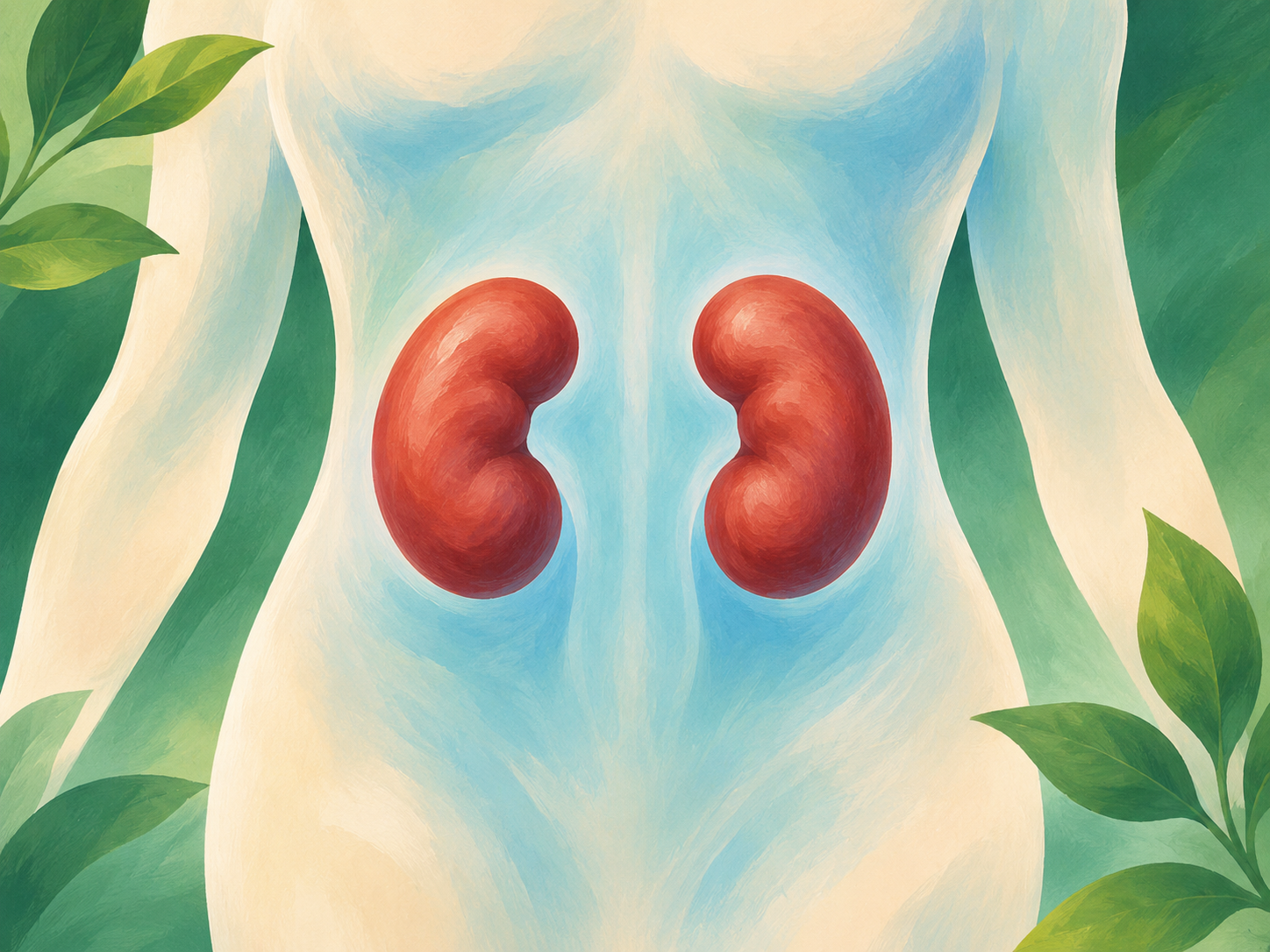 AI-generated illustrative replacement. razlichiya-mezhdu-d2-i-d3 nefr
 AI-generated illustrative replacement. Differences between D2 and D3 human